Jio Effect: Revolutionizing India’s Digital Revolution
Discover how Reliance Jio transformed India's telecom industry, making high-speed internet affordable and accessible to millions. Explore the economic, social, and digital impact of the Jio effect on India’s growth story.
 Amar Kant Srivastava
In September 2016, Reliance Jio entered the Indian telecom industry and set off a chain reaction that fundamentally changed how Indians connect, work, consume, and live. By making high-speed internet accessible and affordable, Jio sparked a digital revolution, breaking entrenched barriers and democratizing connectivity in one of the world’s most populous countries. The "Jio effect" is not simply about cheaper data plans—it is a phenomenon that has reshaped India’s economic, technological, and social fabric
Also Read: Jio 399 plan
The Genesis of the Jio Revolution
Before Jio's arrival, India’s telecom industry was marked by:
-
High data prices
-
Inconsistent coverage
-
Limited 4G infrastructure
-
Voice-driven business models
Jio’s aggressive strategy—offering free 4G data and lifetime-free voice calls for an initial period—upended this status quo. Almost overnight, Indians found themselves with unprecedented access to digital resources, entertainment, education, and even government services via mobile networks
Transforming the Telecom Industry Disruption and Consolidation
Jio’s ultra-cheap pricing model and all-4G network:
-
Sparked a fierce price war, forcing competitors to drop tariffs and improve service offerings.
-
Led to massive consolidation: iconic mergers such as Vodafone and Idea (forming Vodafone Idea), while smaller players either exited or were acquired by larger firms.
-
Resulted in the closure or scale-back of many older telecom companies, leaving only a handful of dominant players—Jio, Airtel, and Vodafone Idea
| Pre-Jio Era | Post-Jio Era |
|---|---|
| High tariffs | Drastically reduced prices |
| Many operators | Industry consolidation |
| Voice focus | Data-centric competition |
Jio leapfrogged outdated 2G/3G technologies, building an all-IP 4G LTE network, and rapidly rolled out coverage to both urban and rural India. Free and affordable smartphones offered via partnerships strengthened this push
Economic Impact GDP and Consumer Savings
Critical economic outcomes of the Jio effect include:
-
An estimated annual financial saving of $10 billion for Indian consumers due to the dramatic fall in data prices—from ₹152 to just ₹10 per GB.
-
Conservative models indicate Jio’s entry alone could contribute to a 5.65% boost in India’s per capita GDP, primarily by fueling digital growth across sectors and enabling new economic opportunities
-
Internet user base more than doubled, from 250 million to over 550 million in just three years, vastly expanding the digital economy
Startup and Digital Ecosystem Growth
Affordable internet catalyzed the rise of Indian tech startups, fintech, and e-commerce. Platforms like Zomato, Ola, Paytm, and UPI-based services flourished, drawing investment and transforming daily life. It was pivotal during crises such as the COVID-19 pandemic, keeping essential services running and fostering remote work, education, and telehealth
Social Transformation: Digital Inclusion and Empowerment Bridging the Digital Divide
Jio's focus on nationwide network expansion brought millions of first-time internet users online, especially in rural and underserved areas. This influx:
-
Empowered previously excluded segments with access to government schemes (e-governance), online education, healthcare, and financial services.
-
Spurred growth in digital literacy and digital content consumption (OTT platforms, social media, online gaming), propelling India to the top of global data usage charts within months of Jio's launch.
-
Boosted app downloads, video consumption, and the gig economy, fundamentally shifting consumption patterns and lifestyle
Media, Entertainment, and Lifestyle
The proliferation of affordable data transformed how Indians engage with news, movies, and music. OTT platforms like Netflix, Amazon Prime, and JioCinema exploded in popularity. The effect was so profound that internet access in remote hinterlands surged by 35% in 2018 alone
Competitive and Regulatory Response
As Jio’s strategies triggered accusations of predatory pricing, regulatory authorities weighed in—but the consensus favored a consumer-first approach. Existing telecom giants were forced to evolve or perish, and the consumer emerged as the biggest beneficiary, with improved choice, quality, and affordability
Challenges and Critiques
Despite its success, the Jio effect is not without challenges:
-
Rapid consolidation led to job losses and financial distress among legacy telecom operators.
-
Aggressive pricing created concerns over long-term industry sustainability and healthy competition.
-
As data became cheap and ubiquitous, issues like digital addiction and privacy risks surfaced, necessitating new forms of regulation and public awareness
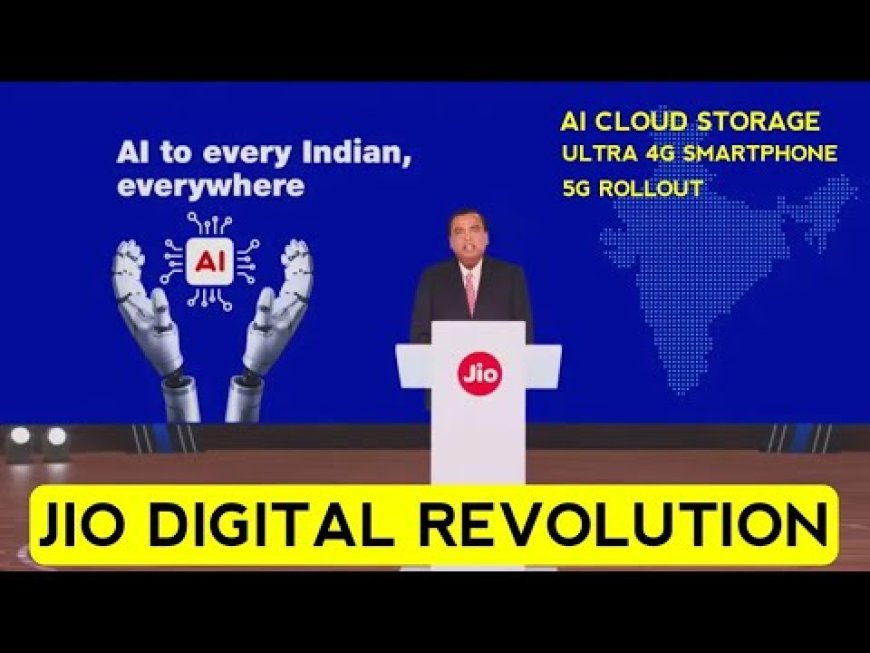
Jio’s ambitions continue to shape the industry: rolling out 5G technology, launching pan-India fiber broadband (JioFiber), and investing in AI, IoT, and digital platforms. By attracting investments from global giants such as Facebook and Google, Jio is positioning India at the heart of the global digital economy
Conclusion
The Jio effect is a landmark chapter in India’s journey toward a digitally empowered society. By making internet access universal and affordable, Jio has supercharged India’s economy, transformed its social landscape, and paved the way for sustained technological innovation. Its legacy is not merely in bytes and bandwidth, but in the millions of lives uplifted by the freedom to connect, learn, transact, and dream)